Examples

How the loop works, on four invented businesses

Understand what AI says, find the gap, change one thing, measure again. These scenarios show the shape of that loop for different kinds of business.

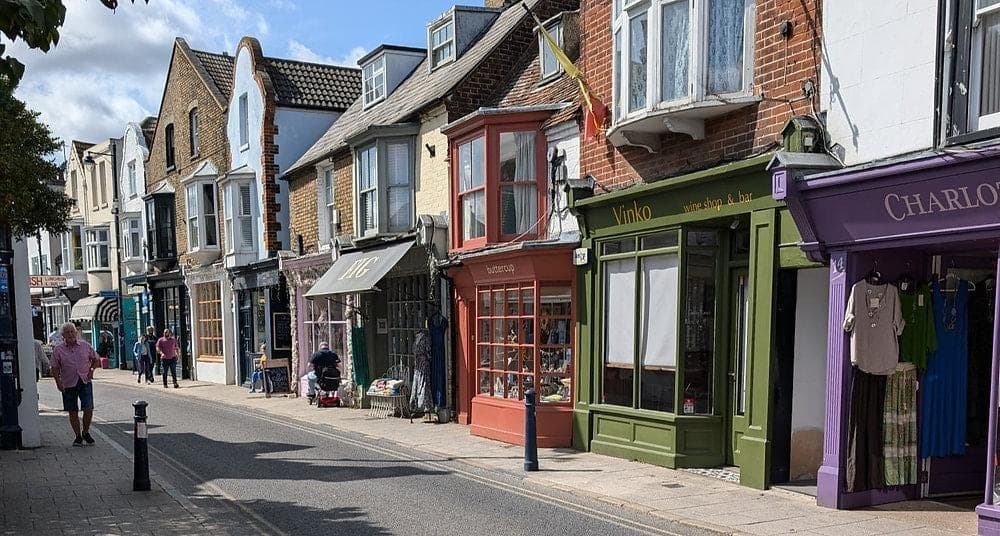
A high street of independent shops with painted shopfronts in different colours
Customers have always chosen between neighbours. Now they ask AI.
None of these are customers

Every example on this page is made up to explain the method. The businesses do not exist, and no result is claimed. The last step of each one describes how a change would be checked, not what happened.

Illustrative example — not a customer

A small accounting practice

Professional services · four people
The question asked
“Which accountant near Utrecht helps freelancers with their VAT returns?”
What AI said
AI named three other practices and described one of them as specialised in freelancers. It did not mention this practice.
The gap found
The website lists its services in a single line and never says who they are for, so AI had nothing specific to say about it.
The change made
A page for freelancers that describes the service, who it suits, what it costs to get started and how to make contact.
How it is verified
The next measurement asks the same question again, on the same AI models, and records whether the practice is now named and how it is described.
Illustrative example — not a customer

A local plumbing company

Trades · service area of five towns
The question asked
“Who can fix a leaking boiler on a Sunday near Leiden?”
What AI said
AI recommended two companies whose websites state emergency availability and the towns they cover. It left this one out.
The gap found
Emergency availability and the service area only appear in a photo of a van, which AI cannot read.
The change made
Emergency availability and the towns served, written as plain text on the page and added as structured data.
How it is verified
The next measurement repeats the question and compares the answers with the baseline, model by model. If nothing moved, that is recorded too.
Illustrative example — not a customer

An invoicing software product

Software · small team, self-serve
The question asked
“What is a simple tool for sending invoices in several currencies?”
What AI said
AI described the product as a general finance tool and left it out of the comparison it gave.
The gap found
Pricing and integrations sit inside a widget that loads with a script, so the facts AI needs were not on the page it could read.
The change made
Pricing, supported currencies and integrations published as readable text, with one sentence stating who the product is for.
How it is verified
The next measurement asks the question in several phrasings and records which of them now name the product, and which still do not.
Illustrative example — not a customer

Restaurant Aurora

Restaurant · one location
The question asked
“Where can a group of eight eat vegetarian near the station?”
What AI said
AI named a competitor that lists group bookings and vegetarian dishes as text. It did not mention Aurora.
The gap found
Aurora publishes its menu as an image, so AI could not tell that it serves vegetarian dishes or takes group bookings.
The change made
The menu published as text with dietary labels, and a short section on group bookings.
How it is verified
The next measurement repeats the question and checks whether Aurora is named, and whether the description now matches what the menu says.

See what AI says about your own business

Start your free AI check
Evidence, not promises

Every change is checked against a measurement taken before it.

Finded does not claim a result until a later measurement shows one, and it reports the measurements that show no change as plainly as the ones that do.